

Healthy Forests Stronger Markets
American Fuels
Advancing Forest Health Through Domestic Fuel Production
The American Forest Fuels Alliance (AFFA) brings together companies developing technologies and projects that convert underutilized woody biomass into high-value, low-carbon fuels.
We work to expand market opportunities for American forest resources in support of domestic fuel production, rural jobs, manufacturing, and healthier forests.
The Market Need
Abundant Forest Resources. Too Few Markets.
America has substantial volumes of forest thinnings, logging slash, mill residuals, restoration material, and other underutilized woody resources. Much of this material is generated through critical forest management and must be removed to improve forest health and reduce hazardous fuel loads.
At the same time, traditional markets for pulpwood, chips and residuals, relied on by landowners, loggers, truckers, equipment suppliers, and rural communities are disappearing. The decline of these markets creates hazardous fuel loads that lead to overgrown and unhealthy forests, which are the main cause of catastrophic forest fires.
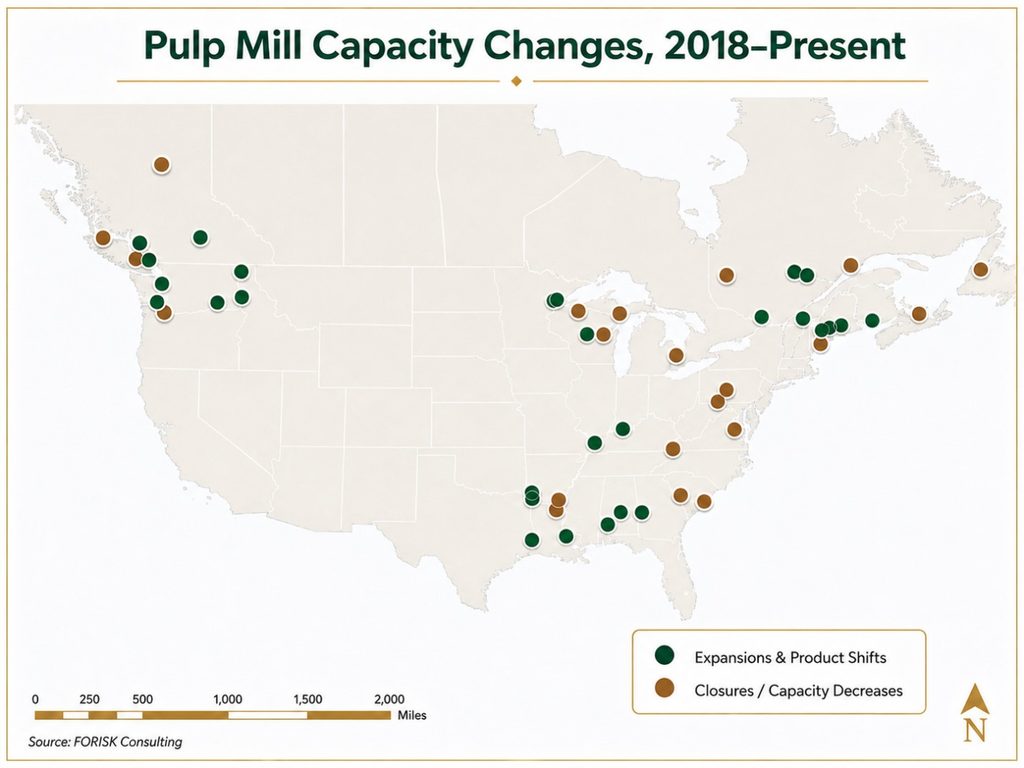
The challenge is not a lack of wood. It is a lack of durable markets for thinnings and residuals already being generated at unprecedented amounts.
A New Market Opportunity
A new generation of fuel technologies is creating opportunities to convert forest residues, thinnings, mill residuals, and other woody resources into domestic fuels.
These projects can create new demand for material that increasingly lacks traditional outlets—while supporting forest management, private investment, and new manufacturing capacity in forested regions.
AFFA exists to drive practical policy and regulatory frameworks ensuring emerging project opportunities that will support economic growth and jobs in forested rural regions of the US.
The Policy Gap
Federal and state policymakers increasingly recognize the need to improve forest management, reduce wildfire risk, strengthen domestic energy production, and support rural economic development.
Yet outdated and inconsistent definitions continue to impede the ability of forest-derived feedstocks to qualify under programs such as the Renewable Fuel Standard, federal tax incentives, and other advanced-fuel programs.
This uncertainty negatively affects developers’ ability to secure long-term feedstock agreements, commercial offtake, project financing, and final investment approval.
Policy must evolve to support healthier forests, reduce wildfire risk, and unlock economic growth thoughout rural America.
AFFA is Working to Achieve Practical, Durable, Technology-Neutral Policy
Federal and state policymakers increasingly recognize the need to improve forest management, reduce wildfire risk, strengthen domestic energy production, and support rural economic development.
Yet outdated and inconsistent definitions can still determine whether forest-derived feedstocks qualify under programs such as the Renewable Fuel Standard, federal tax incentives, and other advanced-fuel programs.
That uncertainty can affect whether developers are able to secure long-term feedstock agreements, commercial offtake, project financing, and final investment approval.
The Opportunity Ahead
New Fuel Markets Can Create New Economic Opportunity
Forest-to-fuels development has the potential to do more than create another outlet for woody biomass.
Commercial projects can attract private capital, strengthen domestic manufacturing, create demand for American landowners and loggers, expand domestic fuel production, and support employment throughout the forest-products supply chain.
Using an illustrative benchmark, five first-of-a-kind commercial forest-to-fuels projects could support approximately 6,000 jobs.
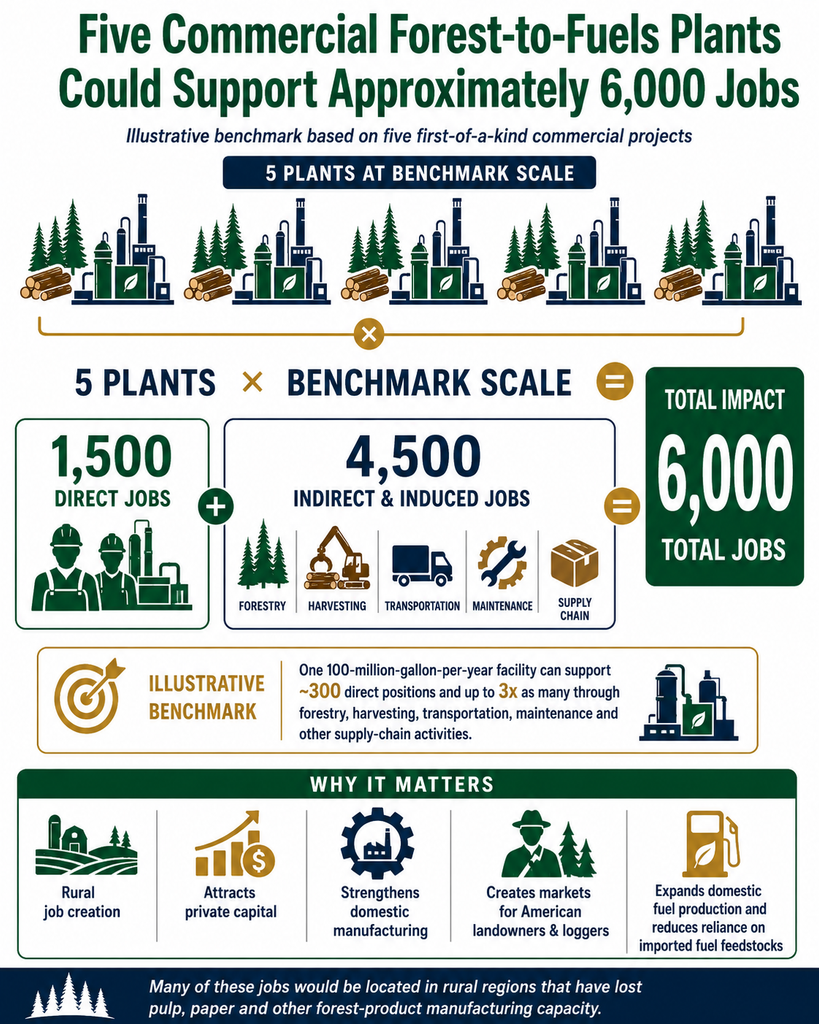
Many of these opportunities could occur in rural regions that have lost pulp, paper, and other forest-product manufacturing capacity.
New markets for underutilized wood can support both the future of America’s forests and the communities that depend on them.
Build the Market With Us
A Stronger Industry Voice Starts With the Companies Building the Market.
AFFA brings together technology developers and project developers actively advancing forest-to-fuels projects in the United States.
Members collaborate on the policy and regulatory issues affecting feedstock eligibility, project development, investment, and market growth—and gain access to regular member meetings, policy updates, exclusive webinars, briefings, and advocacy resources.
Qualifying companies may also have the opportunity to participate as Founding Members and help shape the Alliance during its formative stage.